20 Ocak 2010 Çarşamba
Who is at risk for Mesothelioma?
The only recognized cause of mesothelioma is exposure to asbestos, though other factors such as smoking can make the disease more or less likely in some individuals. Industrial laborers were widely subjected to asbestos exposure on the job, as the material was widely used throughout the 20th century. Few of these workers knew they were being exposed to asbestos, however, despite the fact that many manufacturers were aware the material was hazardous. In most cases, mesothelioma symptoms will not appear in an individual exposed to asbestos until many years after the exposure has occurred. Those who believe they may have been exposed to asbestos should fill out our form to receive a free mesothelioma information packet, detailing treatment options, emerging therapies, and jobsite exposure information.

17 Ocak 2010 Pazar
Palliative Care
Palliative care is a specialized form of care that alleviates pain and other symptoms. Thme goal of palliative medicine is not to prolong life or hasten death, but rather, to keep the patient as comfortable as possible, while offering support to the patient and their family. Palliative care contributes to the quality of life for patients with life-threatening illnesses, such as mesothelioma, at any phase of the disease.
For the patients who are undergoing life-prolonging therapies, palliative care includes symptom management and therapy aimed at restoring function. For the dying patient, it addresses the traditional roles of the hospice movement. During the course of a serious illness, patients and their families should realize that the goals of care can, and do, change, sometimes rapidly. An open line of communication is essential to optimize patient care.
Symptoms Managed through Palliative Care
Some of the common symptoms managed through palliative care include:
- Pain
- Shortness of breath
- Fatigue
- Dry Mouth
- Loss of appetite
- Gastrointestinal problems
- Skin problems
- Anxiety/Depression
Pain
Pain management is one of the most important aspects of palliative care. Because it is now considered a medical specialty, you may wish to consult a physician well versed in pain management if your physician seems unable or unwilling to provide adequate pain control.
Many people with cancer experience pain. Statistics show that 30 to 40 per cent of patients in active cancer therapy, and 70 to 90 percent of patients with advanced cancer report pain. In most cases, pain can be controlled through medications prescribed according to the World Health Organization's Analgesic Ladder, an approach using various levels of medication based on the severity of pain. This type of pain treatment, using drugs, is called pharmacological therapy. Medications may include innon-opioid pain relievers, opioid pain relievers, adjuvant medications (those whose primary purpose is not for pain, but for other conditions), and topical treatments such as a patch, gel, or cream. A study published the Annals of Oncology found a reluctance among cancer patients to take opioid medications due to a belief that such medications are offerred only at the end of life.
Non-pharmacological therapies, those that do not rely primarily on medication to achieve effect, include therapeutic exercise and cognitive behavioral techniques such as deep breathing, muscle relaxation, imagery, meditation, biofeedback therapy, and distraction. Complementary and/or alternative approaches include acupuncture and massage therapy. Integretive medicine refers to the combination of mainstream conventional treatment such as surgery, chemotherapy and radiation with complementary therapies proven to have sound scientific evidence as to their safety and effectiveness.
Shortness of Breath
Shortness of breath, or dyspnea, affects 20 to 80 percent of palliative care patients. Causes of this condition may include, lung disease, fluid in the lungs, infection, anemia, or emotional factors such as anxiety. While medications or oxygen may be used to treat shortness of breath, sometimes measures such as changing position, using relaxation techniques, or improving air circulation may help. More on anemia from chemotherapy treatment.
Fatigue
Cancer-related fatigue may be the result of the general progression of the disease, the effects of medication, or the after effects of treatments such as surgery, chemotherapy, or radiation therapy. The following symptoms are usually associated with fatigue:
- Diminished energy level disproportionate to activity
- Diminished activity associated with physical or intellectual performance
- Diminished motivation; lack of interest in activities
- Exhaustion, apathy, or lethargy
- Generalized tiredness
- Sleep abnormalities
- Irritability, impatience, or changes in mood
The treatment of fatigue is based on first identifying, and then managing, the underlying cause of the fatigue. Once that is accomplished, interventions such as medication, exercise, stress management, and nutrition are used. More on fatigue in mesothelioma patients.
Dry Mouth
Dry mouth, or xerostoma, is another symptom addressed in palliative care. Causes may be dehydration, depression or anxiety, or may be a side effect of medications such as pain relievers, antidepressants, diuretics, or tranquilizers. Chemotherapy treatments or radiotherapy may also be a cause.
Relief of dry mouth can often be achieved by:
- Drinking plenty of fluids
- Sucking on ice chips or Vitamin C tablets
- Chewing sugarless gum
- Maintaining good oral hygiene
- Providing humidified air
Loss of Appetite
Patients with life-threatening illnesses often lose their appetite, and subsequently, lose weight. If the condition becomes too severe, it is called cachexia. Doctors uniformly agree that nutrition plays a vital role in the patient's well being. Causes of weight loss include inadequate intake of nutrients because the patient can not or does not want to eat, poor absorption of the food that is eaten, and changes in the patient's metabolism.
Weight loss may be managed by:
- Eating smaller, more frequent meals
- Eating high calorie, high protein foods
- Receiving nutritional counseling
There are also medications which may help depending on the patient's desired goal. Some of these medications stimulate appetite, but do not usually increase weight, some stimulate appetite and cause slight weight gain, and still others help prevent nausea and vomiting.
Gastrointestinal Problems
Gastrointestinal problems may be associated with the disease process itself, or as a side effect of treatments or medications the patient is receiving. These may include nausea, vomiting, constipation, and diarrhea.
As mentioned above, there are medications which can help with nausea and vomiting. Your doctor or a nutritionist may also be able to provide eating hints and/or special diets tailored to fit the patient's individual needs. More on diarreah in mesothelioma patients.
Skin Problems
There are a variety of skin problems which may accompany cancer, including dryness, itching, rash, sores, and ulcers. It is important to treat these conditions as quickly as possible in order to reduce discomfort and the risk of infection.
- Dryness may be lessened by adding baby or mineral oil to warm bath water, and by applying moisturizers. It is also important to drink 8-10 glasses of water per day.
- Itching and rash may be lessened by adding baking soda to cool bath water, or by applying a cool, moist cloth to itchy areas. Avoid harsh laundry detergents, and change sheets and towels daily.
- Keep skin clean and dry and check skin daily for pressure sores or ulcers which may become infected.
Anxiety/Depression
Anxiety is a hallmark of a life-threatening illness. Feelings of fear, worry, or apprehension may lead to long-term generalized anxiety, or short, intense panic attacks. Causes may include difficulty in coming to terms with the illness, fear of isolation and separation, poorly controlled pain, or side effects of medication.
Treatments to control anxiety may include stress management techniques, counseling, support of family and friends, and control of pain or side effects from medication.
Depression, while less common, often affects family members as well as the patient themselves. Depression may be related to loss of the ability to function, changing family roles, limited social and financial support, pain, or other symptoms such as shortness of breath.
Control of the above symptoms is accomplished through antidepressant medication, support and counseling, pain management, and stress management.
More on palliative care and hospice for mesothelioma patients.
Source for information on this page: Janet Westley, PhD, Medical Editor of Mesothelioma Web
New Approaches
New approaches to treat malignant mesothelioma are currently being tested. They often combine traditional treatments or include something entirely new. They include:
- Angiogenesis and Anti-angiogenesis Drugs
Although progress has been made in the early detection of cancer, and in improved treatment options once cancer is diagnosed, there are still many cancers, including mesothelioma, which can not be cured and remain difficult to treat effectively. In recent years, researchers have learned a great deal about how cancer cells differ from normal cells and, in an effort to find drugs without the potentially severe side effects of chemotherapy, have now discovered drugs which target the tumor itself while sparing the body’s normal cells. One such group are the anti-angiogenesis drugs.
Learn more about anti-angiogenesis agents in the treatment of mesothelioma.
- Immunotherapy, sometimes called biological therapy, uses the body's own immune system to protect itself against disease. Researchers have found that the immune system may be able to recognize the difference between healthy cells and cancer cells, and eliminate those that become cancerous. Immunotherapy is designed to repair, stimulate, or enhance the immune system's natural anticancer function.
Substances used in immunotherapy, called biological response modifiers (BRMs) alter the interaction between the body's immune defenses and cancer, thereby improving the body's ability to fight disease. Some BRMs, such as cytokines and antibodies, occur naturally in the body, however, it is now possible to make BRMs in the laboratory that can imitate or influence natural immune response agents. These BRMs may:
- Enhance the immune system to fight cancer cell growth.
- Eliminate, regulate, or suppress body responses that permit cancer growth.
- Make cancer cells more susceptible to destruction by the immune system.
- Alter cancer cell's growth patterns to behave like normal cells.
- Block or reverse the process that changes a normal cell into a cancer cell.
- Prevent a cancer cell from spreading to other sites.
Many BRMs are currently being used in cancer treatment, including interferons, interleukins, tumor necrosis factor, colony-stimulating factors, monoclonal antibodies, and cancer vaccines.
More on immunotherapy for mesothelioma.
- Photodynamic therapy (PDT) is a type of cancer treatment based on the premise that single-celled organisms, if first treated with certain photosensitive drugs, will die when exposed to light at a particular frequency. PDT destroys cancerous cells by using this fixed frequency light to activate photosensitizing drugs which have accumulated in body tissues.
In PDT, a photosensitizing drug is administered intravenously. Within a specific time frame (usually a matter of days), the drug selectively concentrates in diseased cells, while rapidly being eliminated from normal cells. The treated cancer cells are then exposed to a laser light chosen for its ability to activate the photosensitizing agent. This laser light is delivered to the cancer site, (in the case of mesothelioma, the pleura), through a fiberoptic device that allows the laser light to be manipulated by the physician. As the agent in the treated cells absorbs the light, an active form of oxygen destroys the surrounding cancer cells. The light exposure must be carefully timed, so that it occurs when most of the photosensitizing drug has left the healthy cells, but is still present in cancerous ones.
The major side effect of PDT is skin sensitivity. Patients undergoing this type of therapy are usually advised to avoid direct and even indirect sunlight for at least six weeks. Other side effects may include nausea, vomiting, a metallic taste in the mouth, and eye sensitivity to light. These symptoms may sometimes come as a result of the injection of the photosensitizing agent.
- Gene therapy is an approach to treating potentially fatal or disabling diseases by modifying the expression of an individual's genes toward a therapeutic goal. The premise of gene therapy is based on correcting disease at the DNA level and compensating for the abnormal genes.
Replacement gene therapy replaces a mutated or missing gene, most often a tumor suppressor gene, with a normal copy of that gene which serves to keep cell growth and division under control. The p53 gene, the most common gene mutated in cancer has become a prime target for gene replacement, and has met with some success in inhibiting cell growth, inhibiting angiogenesis (the development of a tumor's blood supply), and inducing apoptosis (cell death).
Knockout gene therapy targets the products of oncogenes (a gene that can induce tumor formation) in an effort to render them inactive and reduce cell growth.
With constantly expanding knowledge of the genes associated with cancer, their functions, and the delivery systems used in administering these genes, gene therapy has a promising future.
- Complementary and alternative medicine covers a wide range of healing philosophies that conventional medicine does not commonly accept or make available to its patients. Some of these practices include the use of acupuncture, herbs, homeopathy, therapeutic massage, and Far Eastern medicine to treat health conditions.
These therapies may be used alone as an alternative to conventional medicine, or in addition to conventional medicine, in which case they are referred to as complementary. Many are considered holistic, meaning their focus is to treat the whole patient - physically, mentally, emotionally, and spiritually. These treatments are not widely taught as a part of the medical curriculum, are not generally used in hospitals, and, for the most part, are not covered under insurance policies.
Many cancer patients try various complementary and/or alternative medicine techniques during the course of their treatment, and although they may not work for everyone, some patients benefit by managing their symptoms or side effects. One important caveat, is to discuss any complementary or alternative treatments you may be considering with your doctor to be sure nothing interferes with your conventional care. For instance, dietary supplements such as herbs or vitamins may be "natural", but not necessarily "safe". They may lessen the effectiveness of certain anticancer drugs, or when taken with other drugs or in large doses, may actually cause harm. Since supplements of this nature are not governed by the FDA (Food and Drug Administration), and a prescription is not necessary to purchase, it is up to the consumer to make informed and conscientious decisions regarding their use.
Your personal physician may be able to advise you about the use of complementary and alternative treatments and therapies, and how they relate to mesothelioma.
The combinaton of complementary and conventional therapies is sometimes referred to as integrative medicine.
- Unconventional methods of cancer treatment make claims that can not be scientifically substantiated. They commonly claim to be effective against cancers that are considered incurable, and tout treatments with relatively few, if any, side effects.
The use of these unconventional methods may result in the loss of valuable time and the opportunity to receive potentially effective therapy. It is always important to remain in the care of a qualified physician who uses accepted methods of treatment or who is participating in scientifically designed investigational therapies.
More on new chemotherapeutic approaches. And our page on Alimta.
Sources for information on this page:
University of Maryland Medical Center - Current Approach to Mesothelioma
http://www.umm.edu/thoracic/approach_mesoth.htm
Cancer Research UK - Immunotherapy research
http://info.cancerresearchuk.org/cancerandresearch/ourcurrentresearch/topic/immunotherapy/
National Cancer Institute - Photodynamic Therapy for Cancer: Questions and Answers
http://www.cancer.gov/cancertopics/factsheet/Therapy/photodynamic
University of Alabama at Birmingham Health System - Immunotherapy or Biological Therapy
About Mesothelioma
What is Mesothelioma? What is the difference between pleural mesothelioma and peritoneal mesothelioma?
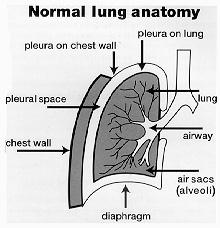
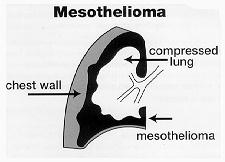
Malignant mesothelioma is a disease in which a cancerous tumor grows on the mesothelium - the sac lining the internal body cavities. The specific type of mesothelioma is named for the tissue where the cancer started. Pleural mesothelioma starts in the chest, in the pleura that surrounds the lungs (outer lining of the lungs and internal chest wall). It makes up about 70% of mesothelioma cases. Peritoneal mesothelioma starts in the lining of the abdominal cavity.
Although sometimes referred to as "asbestos lung cancer", mesothelioma is not the same as lung cancer. Lung cancers occur inside the lung itself; mesothelioma occurs in the lining of the lung. Mesothelioma is rare, striking fewer than 3000 Americans per year.
How do you get malignant mesothelioma?
Mesothelioma is caused by asbestos exposure. Asbestos, once regarded as a miracle mineral, was popular due its lightweight but tough characteristics as well as for its heat-resistant properties. This naturally occurring mineral was used in many commercial and consumer products, from construction materials such as cement, roofing shingles and insulation, to consumer and industrial applications such as hair dryers, automobile brake pads and pipe insulation.
 |  |
Most people with malignant mesothelioma worked on jobs where they breathed asbestos. Others were exposed to asbestos in a household environment, often without knowing it.
How much exposure does it take to get the disease? What is the latency period?
Very little exposure can result in mesothelioma. Sometimes people who worked with asbestos for as little as one or two months get mesothelioma. The "latency period" refers to the time between asbestos exposure and diagnosis of the disease. For mesothelioma, the latency period can be decades long, and people exposed in the 1940s, 50s, 60s, and 70s are now being diagnosed.
What are the symptoms of mesothelioma?
Our mesothelioma symptoms page goes into detail about the signs of this cancer. Please note that it is important to seek professional medical advice when trying to diagnose for mesothelioma. The major symptoms include:
- Shortness of breath caused by expanding pleural effusion
- Persistent dry cough
Other symptoms may include:
- Fatigue
- Night sweats
- Fever
- Pain under the rib cage
- Swelling or lumps in the abdomen
- Unexpected weight loss
How do doctors treat malignant mesothelioma?
Each patient has an individualized treatment plan which takes into account the type and stage of the cancer as well as the patient's overall health. Traditional mesothelioma treatments include surgery, chemotherapy, radiation or a combination of these. Contact us at 1-877-367-6376 if you want to talk about reviewing treatment options.
Is there any promising research or are there promising new drugs for mesothelioma?
Scientists and doctors are engaged in research at various cancer centers all over the United States. Researchers are constantly trying to develop new and more effective drugs as well as new treatment techniques. In the past few years, there have been several major advances in the management of mesothelioma, including more accurate staging, improvements in surgical techniques and postoperative care, new chemotherapy regimens, and new radiotherapy techniques such as intensity-modulated radiation therapy. Some of this research is being conducted through clinical trials, for which you may be eligible. Please call us if you need additional information on current trials.
What should I do if I think I've been exposed to asbestos but don't have mesothelioma?
You probably will not get this rare disease, but you should remain vigilant and get regular check-ups. Let your doctor know about your asbestos exposure.
I was exposed to asbestos when I was in the military. Could that be how I got mesothelioma?
The armed forces used asbestos extensively in the 20th Century, and because of the long latency period only now are many veterans getting mesothelioma. People were exposed in all branches of the service, in a variety of jobs. We have worked with veterans from all over the country. We can help you find VA resources and medical assistance. Our veterans section goes into more detail or feel free to call us at 1-877-367-6376.
Where can I find information on living with mesothelioma?
Mesothelioma Aid is a good website for resource for families dealing with mesothelioma. It includes advice and referrals to other resources for coping with cancer, caregiving, financial challenges, and support groups. Alternatively, contact us here at Mesothelioma Web for help finding resources for living with this disease.
What other resources are available for people with malignant mesothelioma?
Should you need more information or have additional questions, please contact us and we can refer you to sources that could answer your specific question. We can be reached at 1-877-367-6376.
Kaydol:
Kayıtlar (Atom)